

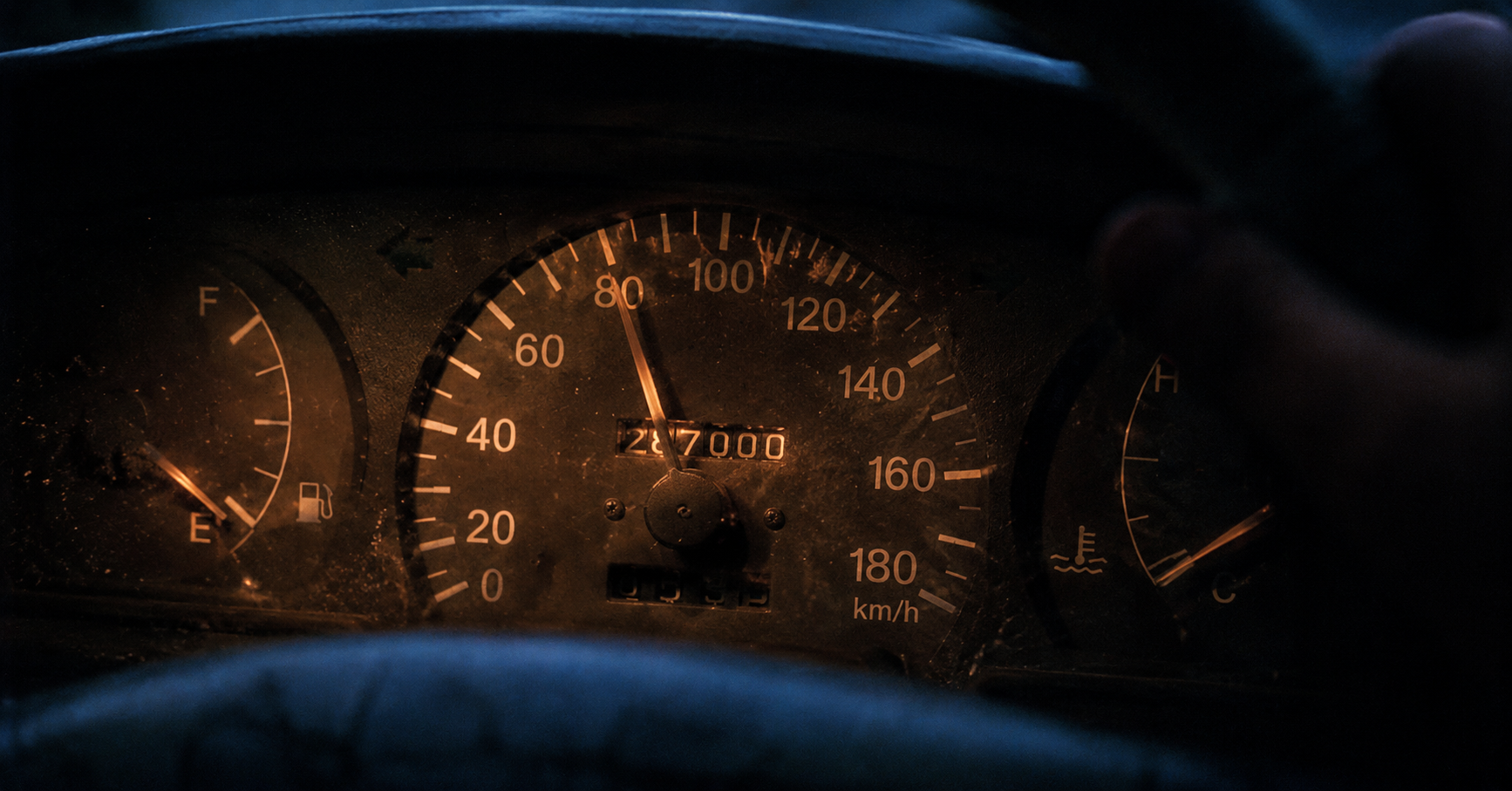

A buddy in northern Alberta told us about his last therapy appointment. Three and a half hours in the truck each way. Half a tank of gas. A day off work. He went twice. Then he stopped.
He is not weak. He is not unmotivated. He is doing math.
The new Closing the Distance report from CMHA is the first national look at how heavy that math is. 29.4 percent of rural and remote Canadians face a high or very high travel burden to access psychiatric care in hospital. In urban areas, that number is 4.3 percent.
Seven times the burden. For the same need.
Where the Travel Gap Hits Hardest
The CMHA data show high travel burden rates for psychiatric care varying sharply across the country:
- Yukon: 77.2 percent of patients
- Nunavut: 67.5 percent
- Saskatchewan: 57.2 percent
- Manitoba: 56 percent
- Northwest Territories also reports very high rates
For Inuit who travel for any kind of care, 51.8 percent are travelling 1,500 km or more. 18 percent of First Nations people living off reserve and 16 percent of Métis people travel outside their communities to access health care.
This is what the system actually looks like for the men we know.
Why Travel Burden Is a Men’s Mental Health Issue
When mental health care requires a day off, a tank of gas, an overnight stay, and a conversation with a boss, the men least likely to take that ride are the ones who already would not pick up the phone.
The CMHA data confirm it. Only 12.7 percent of rural Canadian men have consulted a professional about a mental health concern in the past year. The lowest of any group studied. Urban men: 14.2 percent. Rural women: still higher.
Cost. Distance. Time. Confidentiality in a small town. Stigma. Stack those five on each other and the rational decision becomes the harmful one. Put it off. Push through. Get through the next 90 days and reassess.
What This Costs Us
Rural Canadians are slightly more likely than urban ones to return to the emergency room four or more times for a mental health or substance use problem. 10.1 percent rural versus 8.9 percent urban.
The ER is the wrong door for an ongoing mental health issue. It is the door we end up at when we cannot find any other.
What Needs to Happen
The CMHA report lays out recommendations. The two that hit closest to us:
- Provide a full range of virtual services and supports so men do not have to travel hours for an initial conversation.
- Provide financial assistance for travel and accommodations for those who do need to leave their communities for care.
Add to that what we have been saying at MenTELL since 2023. Local. Peer-led. Free. Without intake forms.
Brothers checking on brothers. Hanging near the firepit with the question that actually gets asked. Calls on the drive home. Group chats that go past the funny stuff. That is infrastructure that scales without a single new building. Find your circle of trust and take the initiative to build your core group that you feel most comfortable in and around. Today and every day, we as #MenTELLHealth
Be the Flare
For Men’s Mental Health Month Canada this June, Be the Flare is asking one million Canadians to do one simple thing.
Film a 60-second video. Answer the question: what would you tell your younger self? Say two men’s names out loud. Tag them. Use #BeTheFlare. Invite @MenTELL.ca as an Instagram collaborator. Pass it forward in 48 hours.
A flare is a signal in the dark. The men who cannot get to a clinic might still see the signal across the highway.
If You Need Help Now
9-8-8 is free across Canada, 24/7, by call or text. First Nations, Inuit, and Métis Canadians can also reach the Hope for Wellness Helpline at 1-855-242-3310 in English, French, Cree, Ojibwe, and Inuktitut.
Sources
- Canadian Mental Health Association. (2026). Closing the Distance.
- Statistics Canada and Canadian Institute for Health Information data cited within the CMHA report.