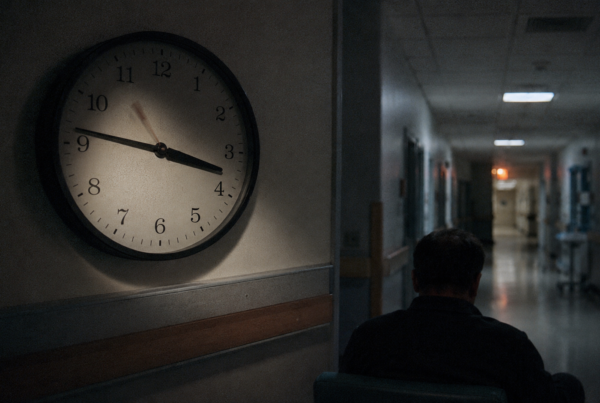

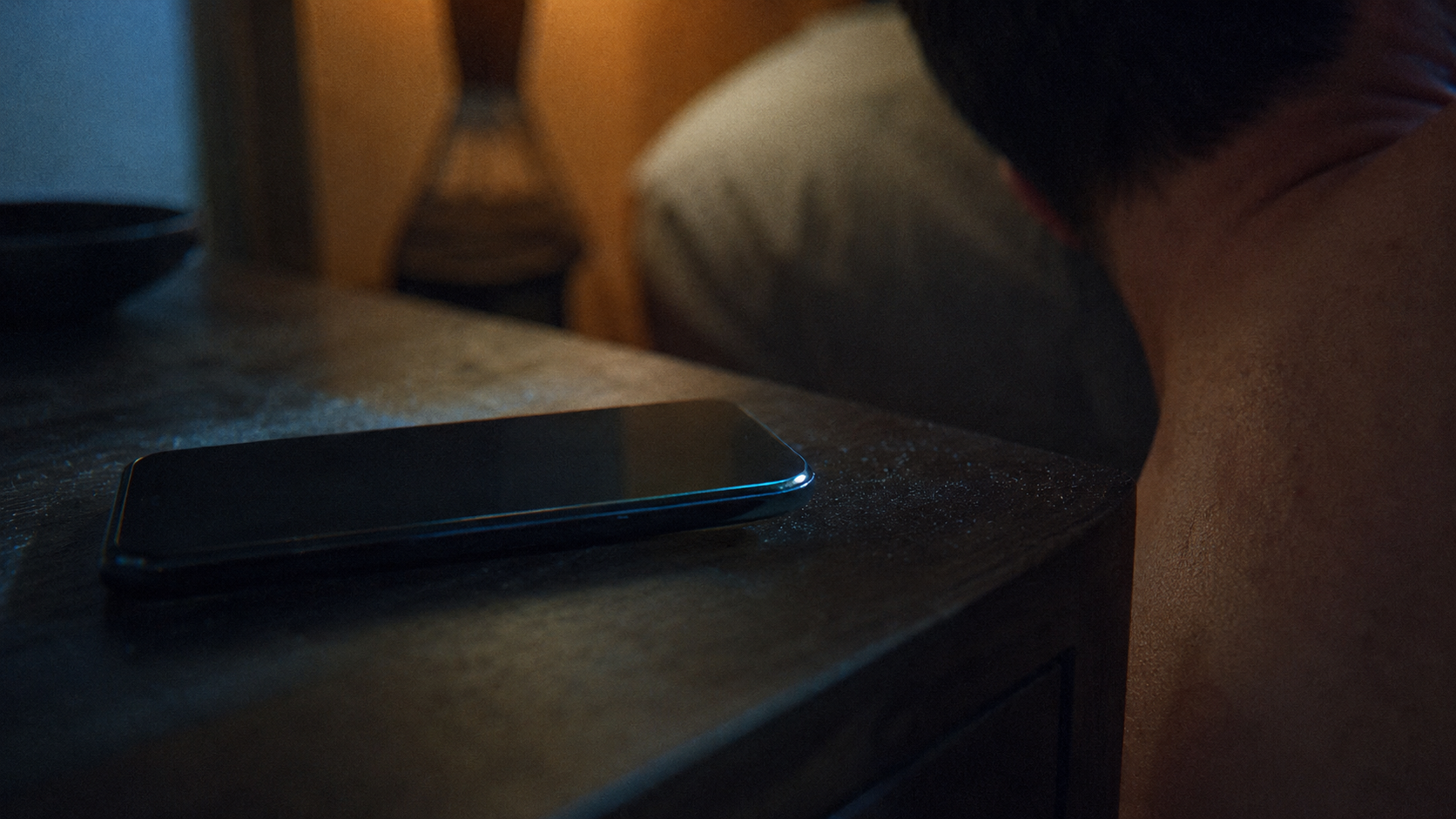

The phone has been on the bedside table for two hours. The number was googled at 11pm. The thumb hovered over the call button. Then a Netflix show got picked up where it left off.
We have done this. Most of us have done it more than once.
The Canadian Mental Health Association’s new Closing the Distance report puts a percentage on the men who didn’t make the call. 12.7 percent of rural Canadian men have consulted a professional about a mental health concern in the past year. Urban Canadian men: 14.2 percent.
That is the lowest help-seeking rate of any group the CMHA tracked. Lower than urban women at 24.9 percent. Lower than rural women. Lower than every age band.
Stigma Is Real, but It Is Not the Whole Story
Stigma exists. The conversation we keep having about stigma sometimes covers up the other reasons men do not pick up the phone.
The CMHA report names a few:
- Mental health services are physically further away in rural areas.
- Wait times are longer.
- Specialized providers (psychiatrists, psychologists) are concentrated in cities.
- Confidentiality is harder to trust in small communities where everyone knows everyone.
- The available services may not feel culturally appropriate for the man being asked to use them.
Then layer in what the Canadian Men’s Health Foundation found in its 2025 research. 64 percent of Canadian men report moderate-to-high stress. 23 percent are at risk of moderate-to-severe depression. 67 percent have never used a professional mental health service.
It is not that we do not need help. The system is built for someone who lives 15 minutes from a clinic, has 9-to-5 hours, and does not run into the receptionist at his kid’s hockey game.
What Men Do Instead
The same CMHA report shows where the stress goes when it does not get talked out:
- 66.6 percent of rural Canadian men report regular drinking
- 15.4 percent smoke daily or occasionally
- 24 percent use cannabis frequently or daily
- Rural Canadians overall have a 24.4 percent rate of substance use disorder
Drinking, smoking, and cannabis are the language. We are saying something. We are just saying it sideways.
The Brother-to-Brother Channel
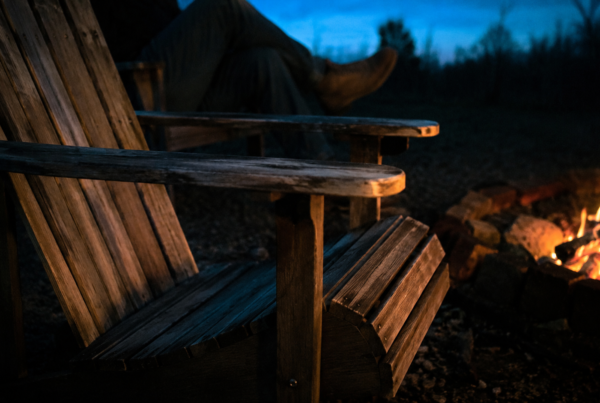
Here is what we have learned at MenTELL in three years of doing this work. The men who would never sit on a therapist’s couch will sit at a fire pit. They will get into a truck for a four-hour drive with a buddy. They will text at 1am if the person on the other end has already been honest first.
That is the channel. We just have to use it more.
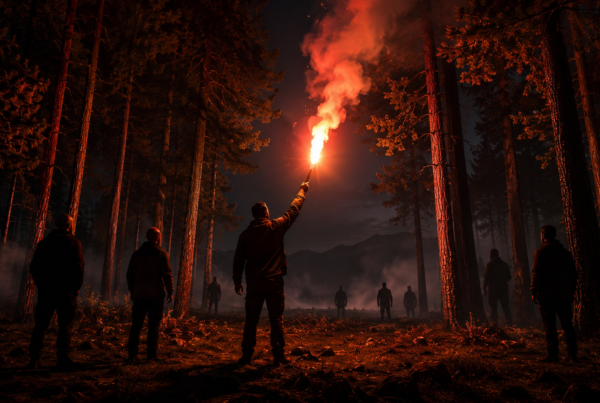
Be the Flare is built on that channel. For Men’s Mental Health Month Canada this June, we are asking one million Canadians to share one short video answering one question. What would you tell your younger self? Say two men’s names. Tag them. Use #BeTheFlare. Pass it forward in 48 hours.
A flare gets seen by men who are not subscribed to wellness content. Men who do not follow therapists on Instagram. Men who would scroll past a pamphlet but stop on a video from a guy they actually know.
What You Can Do This Week
If you are reading this and you have not picked up the phone, here is a smaller ask. Pick someone you trust. A brother. A father. A coworker. A friend from the team. Send him one sentence. Hey, can we grab a coffee this week.
That is the call. The rest of the conversation will find its shape.
If you are in crisis, 9-8-8 is open 24/7 across Canada.
Sources
- Canadian Mental Health Association. (2026). Closing the Distance.
- Canadian Men’s Health Foundation 2025 Men’s Mental Health Research.