
Four numbers from the new CMHA report.
- 29.3%. Combined rate of mood and anxiety disorders for rural First Nations people living off reserve, 2020-2022.
- 25%. Rural Métis.
- 22.6%. Rural Inuit.
- 16%. Rural non-Indigenous.
Urban rates are similar in shape. 27.8% First Nations off reserve. 26.8% Métis. 24.2% Inuit. 15.8% non-Indigenous.
A nearly twofold gap across the board. And the gap has been widening since 2007.
We are not going to talk past it.
What the Report Says About the Why
The CMHA’s Closing the Distance report does not treat this as a coincidence. It names the source. Colonial violence. Residential schools. Forced relocations. The Indian Act. Cultural genocide. These are not historical footnotes. They are the active conditions that shape Indigenous mental health today.
The report also documents:
- Indigenous communities are 90 times more likely than non-Indigenous communities to face water insecurity from industrial contamination.
- One Labrador study found suicide deaths among Inuit (50%) and Innu (21.9%) accounted for a disproportionate share of total deaths.
- The rate of homicide against First Nations, Métis, and Inuit women and girls is six times higher than for non-Indigenous women.
- Indigenous Peoples were victimized by violent crime at a rate of 177 per 100,000 in 2019, more than double the non-Indigenous rate of 80 per 100,000.
This is the load Indigenous men, women, and youth are carrying. The data make the link plain.
The Access Gap
Even when Indigenous Canadians do reach out for help, the system does not meet them where they are.
The CMHA report shows that 18% of First Nations people living off reserve and 16% of Métis must travel outside their communities for health care. For Inuit, the number is 40%. Of Inuit who travel, 51.8% travel 1,500 km or more.
When they do access care, only 28% of First Nations people off reserve, 23% of Métis, and 22% of Inuit report their mental health needs were fully met. Nearly three quarters of the time, the care that was available was incomplete.
What Needs to Happen
The CMHA report’s third recommendation is direct. Increase social spending and enhance social supports in partnership with Indigenous Peoples to address the Truth and Reconciliation Commission’s Calls to Action, specifically the health-related actions.
The report also asks for:
- More Indigenous health providers in the workforce.
- Training existing providers in culturally appropriate and trauma-informed care.
- Investment in land-based and culturally safe healing programs.
- Indigenous-led data sovereignty and self-determination on data collection.
This is policy work. It is not optional. It is decades overdue.
For Indigenous Brothers Reading This
The lead has to be Indigenous.
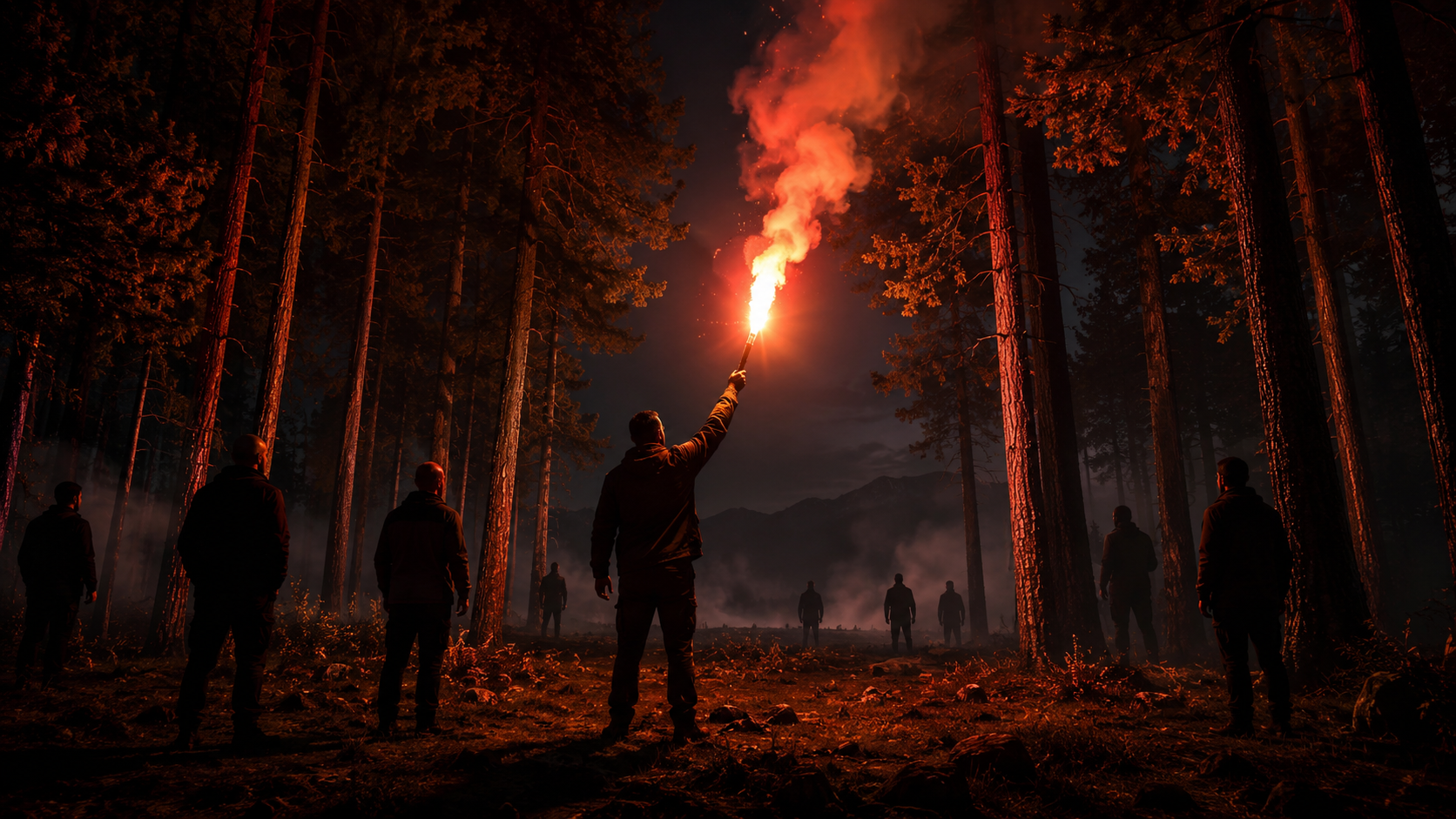
What we can do at MenTELL is listen, amplify, and back the work that Indigenous-led organizations are already doing. Through June 2026, Be the Flare is asking one million Canadians to film a 60-second video, name two brothers, and pass the signal forward.
If you are an Indigenous man reading this, your story carries weight no statistic can match. If you choose to share, we will collaborate. If you choose not to, that is also right.
Stay Connected With MenTELL Year Round
MenTELL is a grassroots Canadian men’s mental health movement that runs all twelve months. Follow @MenTELL.ca on Instagram and subscribe to CanadianPodcast.ca to stay plugged in after June 30. The work does not stop.
Sources
- Canadian Mental Health Association. (2026). Closing the Distance.
- Truth and Reconciliation Commission of Canada Calls to Action (2015).