

We have spent two weeks here talking about what is going wrong for rural Canadian men. The drinking. The smoking. The travel burden. The suicide rates in the territories. The men who never make the call.
That is most of what the CMHA report covers. It is also not all of it.
The same Closing the Distance report has a section we keep going back to. Rural Canadians report stronger purpose, meaning, and belonging than urban Canadians on almost every measure tracked.
We should be paying attention.
What the Data Show
From the 2024 CMHA report:
- 87.4% of rural Canadians rate their mental health as good, very good, or excellent. Urban: 84.5%.
- 62.2% of rural Canadians report a strong sense of belonging. Urban: 52.3%.
- 64.5% of rural Canadians report a high sense of purpose and meaning. Urban: 54.5%.
- Rural Canadian men specifically report a slightly higher sense of belonging than rural women (64.2% vs 60.1%), the only group where this pattern shows up.
In a country where loneliness, anxiety, and disconnection are rising, rural communities are holding onto something urban ones have lost.
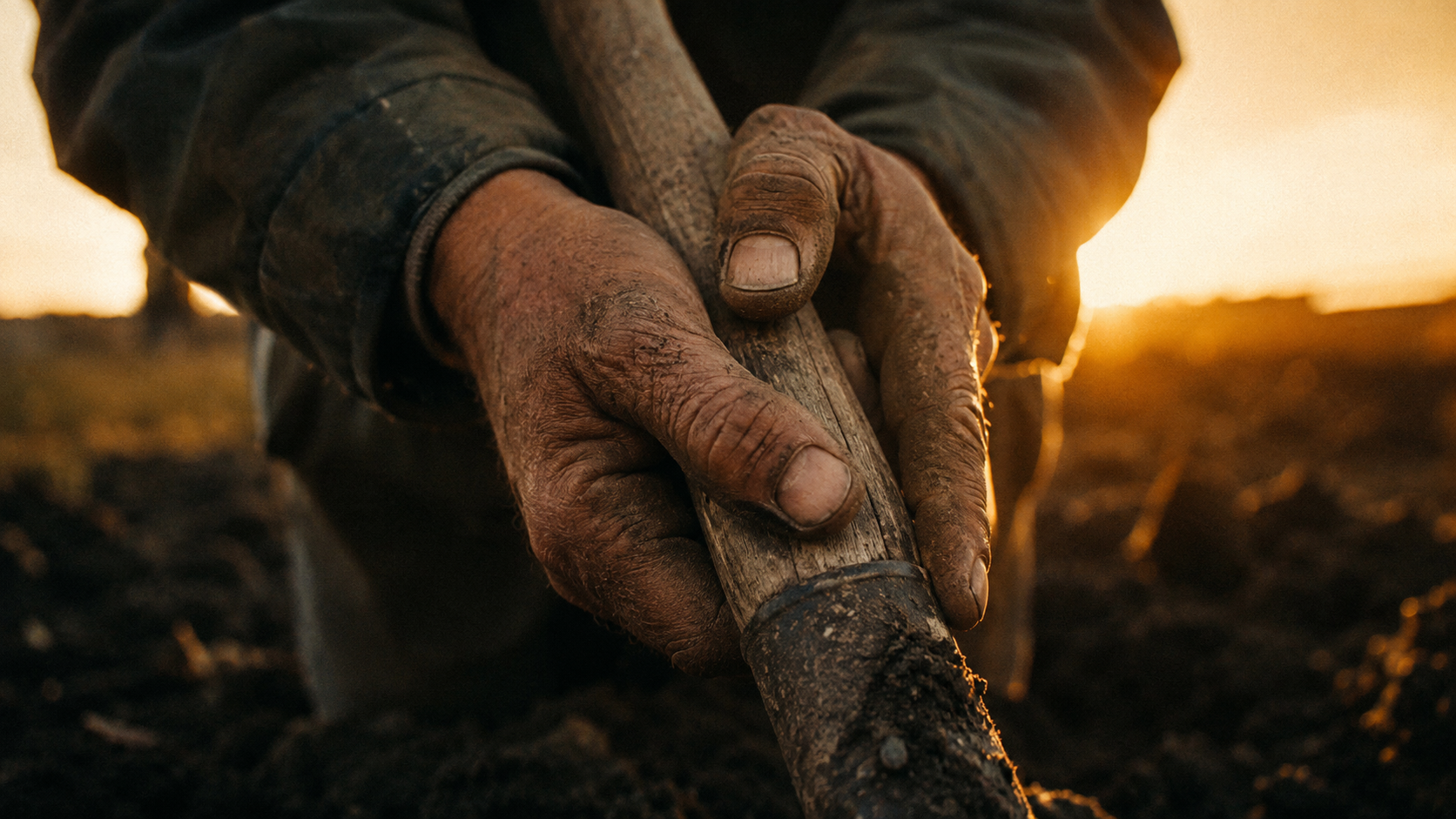
What Holds in Small Towns
The CMHA report does not give a tidy theory of why this is. The data describe the pattern. The brothers we know fill in the picture.
In small communities:
- People know your name.
- Work is often tied to land, food, building, or service in ways that have direct meaning.
- Faith and tradition are still load-bearing for many families.
- You are not anonymous when you fail or when you succeed.
- The hockey rink, the legion, the diner, and the corner store are common rooms.
- Reputation moves slowly and weighs heavily, which makes integrity matter.
- People show up when something happens.
These are protective factors. Not only in a clinical sense. In a brotherhood sense.
This Does Not Cancel the Risk
We have to hold both things at once.
Rural Canadians do report better mental health, more belonging, more purpose. They also drink more, smoke more, access less care, and live further from psychiatric services. Rural Indigenous communities carry the heaviest mental health burden in the country.
Both are true. The purpose is real. The risk is real. The work is to keep the first and reduce the second.
What MenTELL Wants to Build
A lot of mental health work is built on the assumption that men do not have community. That is the wrong starting point for most of the men we know.
Most men have community. They have a crew. They have a rink. They have a job site. They have a fishing weekend. They have a chat group that has been going for a decade.
What is often missing is permission inside that community to bring the heavy stuff. Permission to say “I’m not okay” without losing your place in the lineup.
That is the work MenTELL is doing. Not building a community from scratch. Adding one missing permission to the communities men already have.
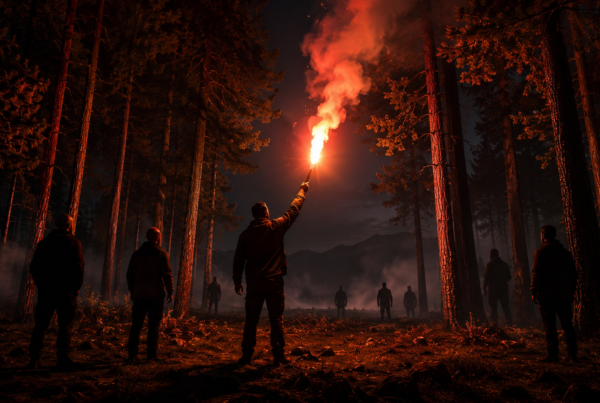
Be the Flare is one piece of that for Men’s Mental Health Month Canada this June. One short video from a man who has been in the dark. One line about what he would tell his younger self. Two names of brothers who matter. 48 hours to pass it forward.
A flare lit by someone you trust changes what is possible inside the group chat you are already in.
Carrying Both
Strength does not require the absence of struggle. Belonging does not erase loneliness, and purpose does not protect a person from depression.
The men we know across rural Alberta, northern Ontario, eastern Quebec, the Maritimes, and the territories already have the foundation researchers say protects mental health. They also need the permission and the practice to ask for help when they need it.
We are building that practice this June. We hope you will build it with us.
MenTELL is a grassroots Canadian men’s mental health movement that runs all twelve months. Follow @MenTELL.ca on Instagram, subscribe to CanadianPodcast.ca, and find your local ambassador at mentell.ca after June 30.
Sources
- Canadian Mental Health Association. (2026). Closing the Distance.